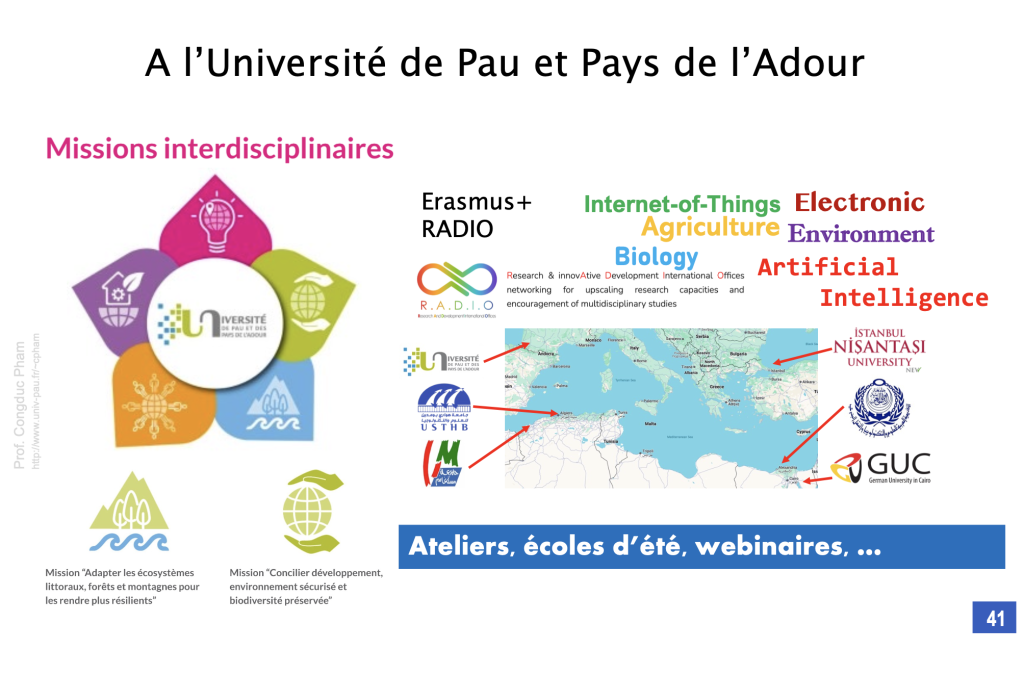
This first week of October 2026 was rich of events where the multidisciplinary approach promoted by Erasmus+ RADIO has been highlighted!
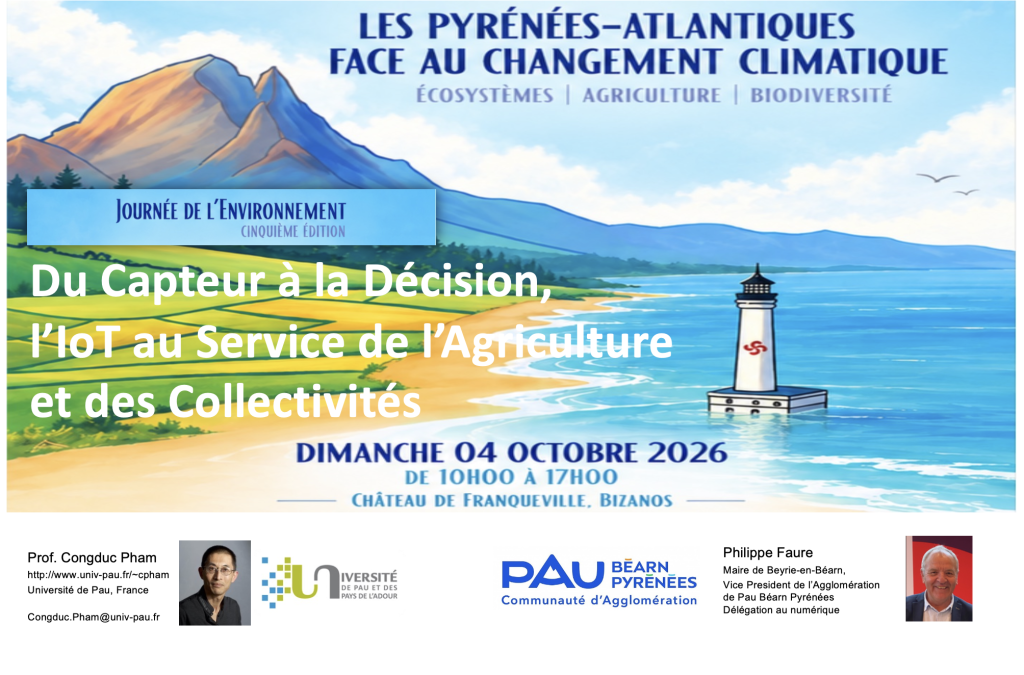
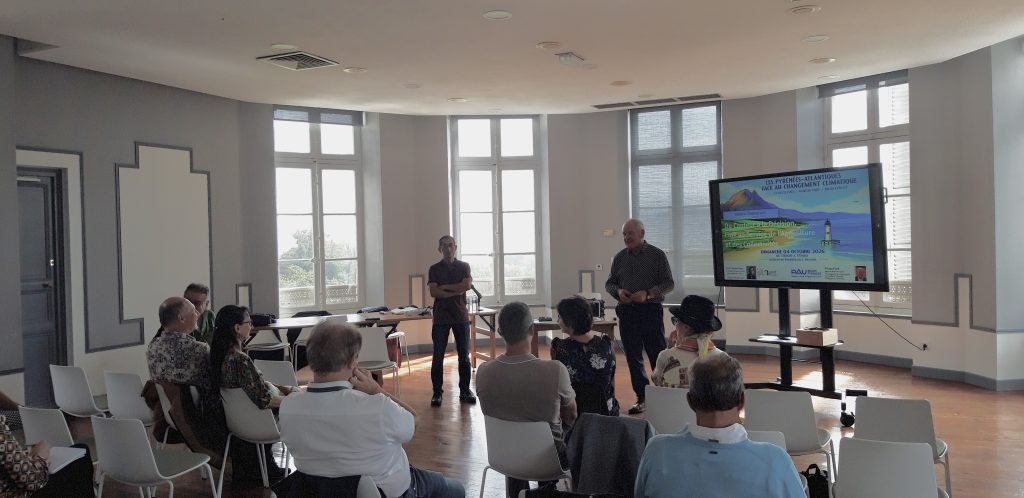
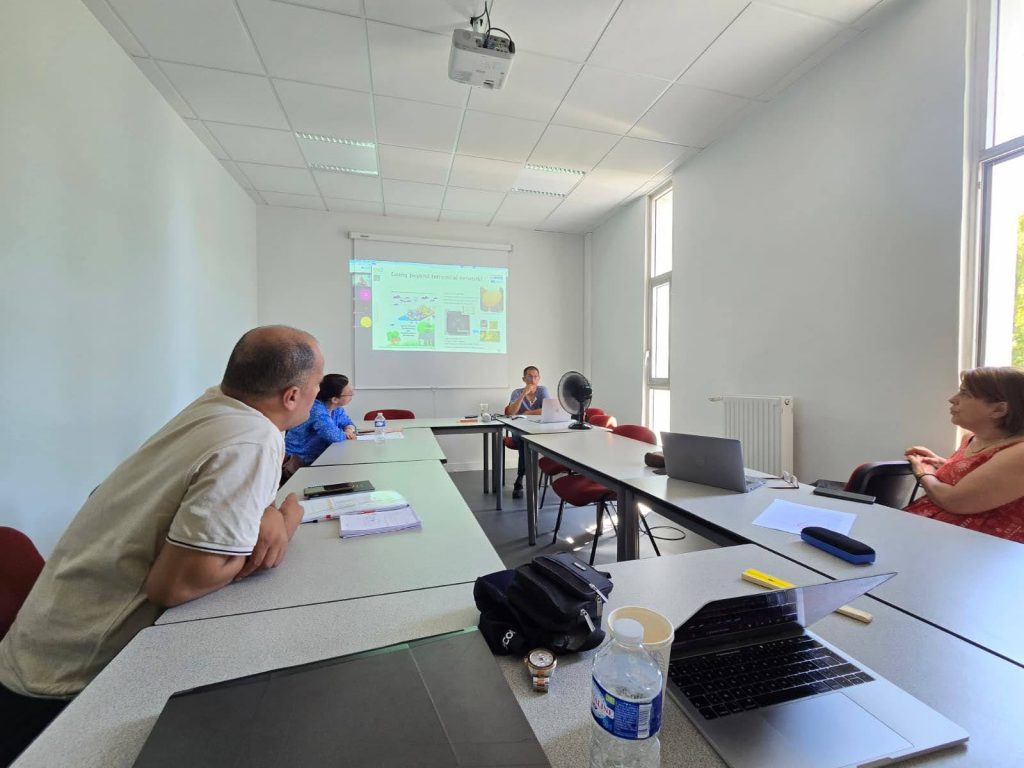
First, on Oct. 4th, 2026. During the 5th edition of the “Journée de l’Environnement” (Environment Day) that took place at the Château de Franqueville in Bizanos, near Pau city, Prof. Congduc Pham presented how cost-effective sensing systems, that could be quickly deployed for a large variety of application domains, can improve the management and use of natural resources. He insisted on the necessary multidisciplinary approach to provide efficient solutions adapted to the final application domain.
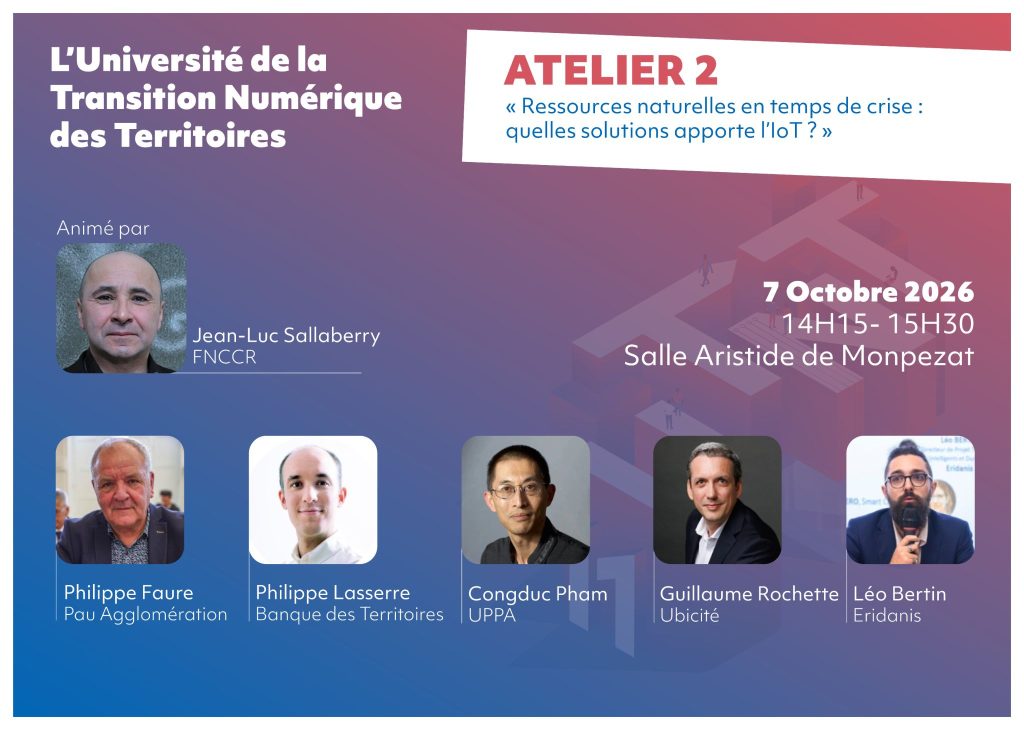
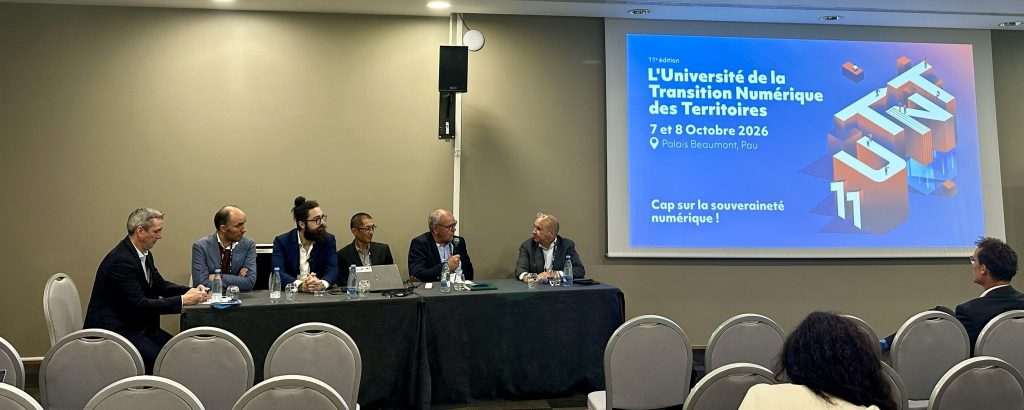
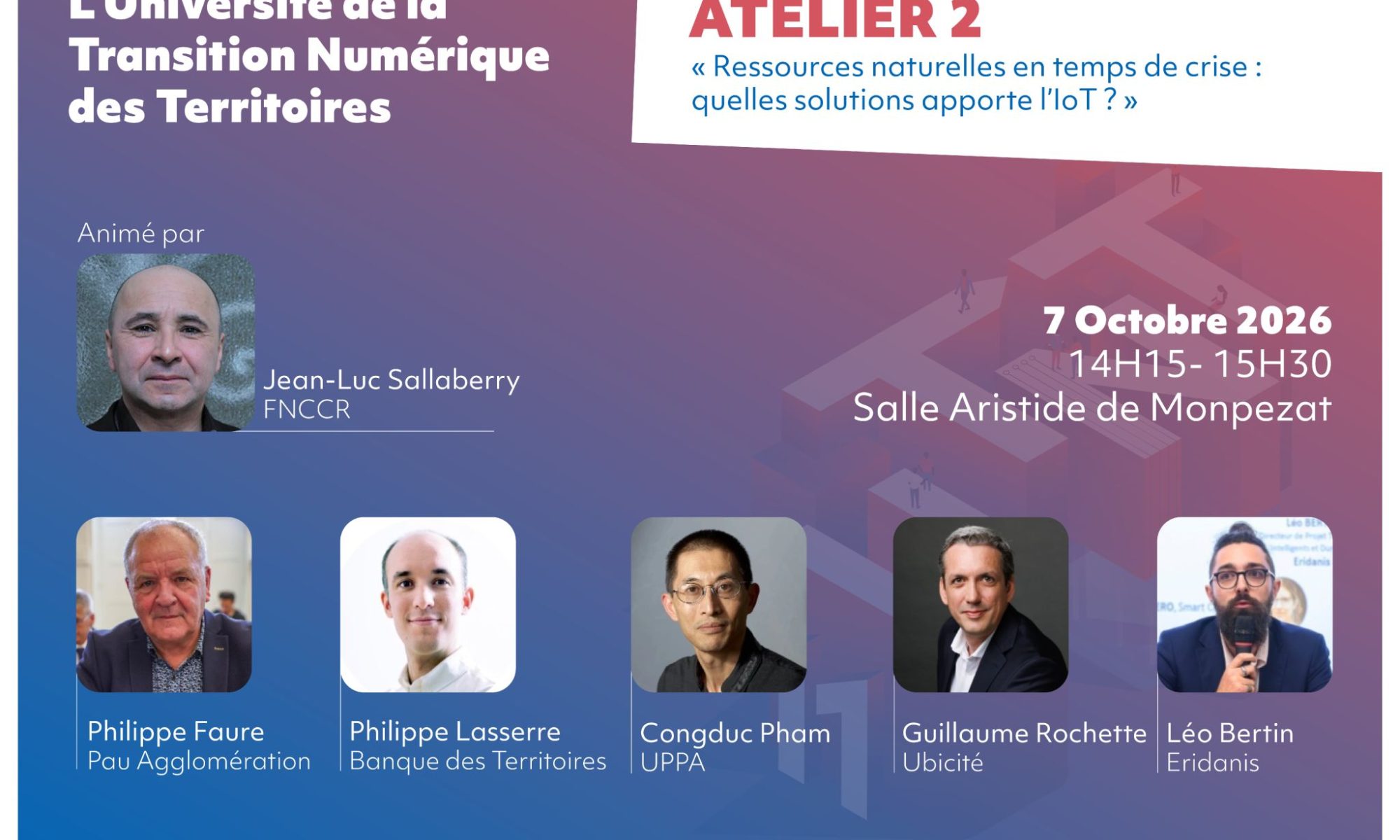
Then, 3 days later, at the 11th edition ofUTNT2026, held in Pau, France, Prof. Congduc PHAM took part in the round table entitled “Natural Resources in Times of Crisis: What Solutions Can IoT Provide?”
Beyond the availability of real-time data to better understand the state of a resource, Congduc Pham highlighted the more advanced capabilities of IoT ecosystems: building systems capable of automatically adapting to the availability of a given resource. This represents a shift from a measurement technology towards a technology that can contribute to greater resilience in the face of climate change. Again, he insisted on the necessary multidisciplinary approach, as promoted by the Erasmus+ RADIO project, to provide efficient solutions adapted to the final application domain.
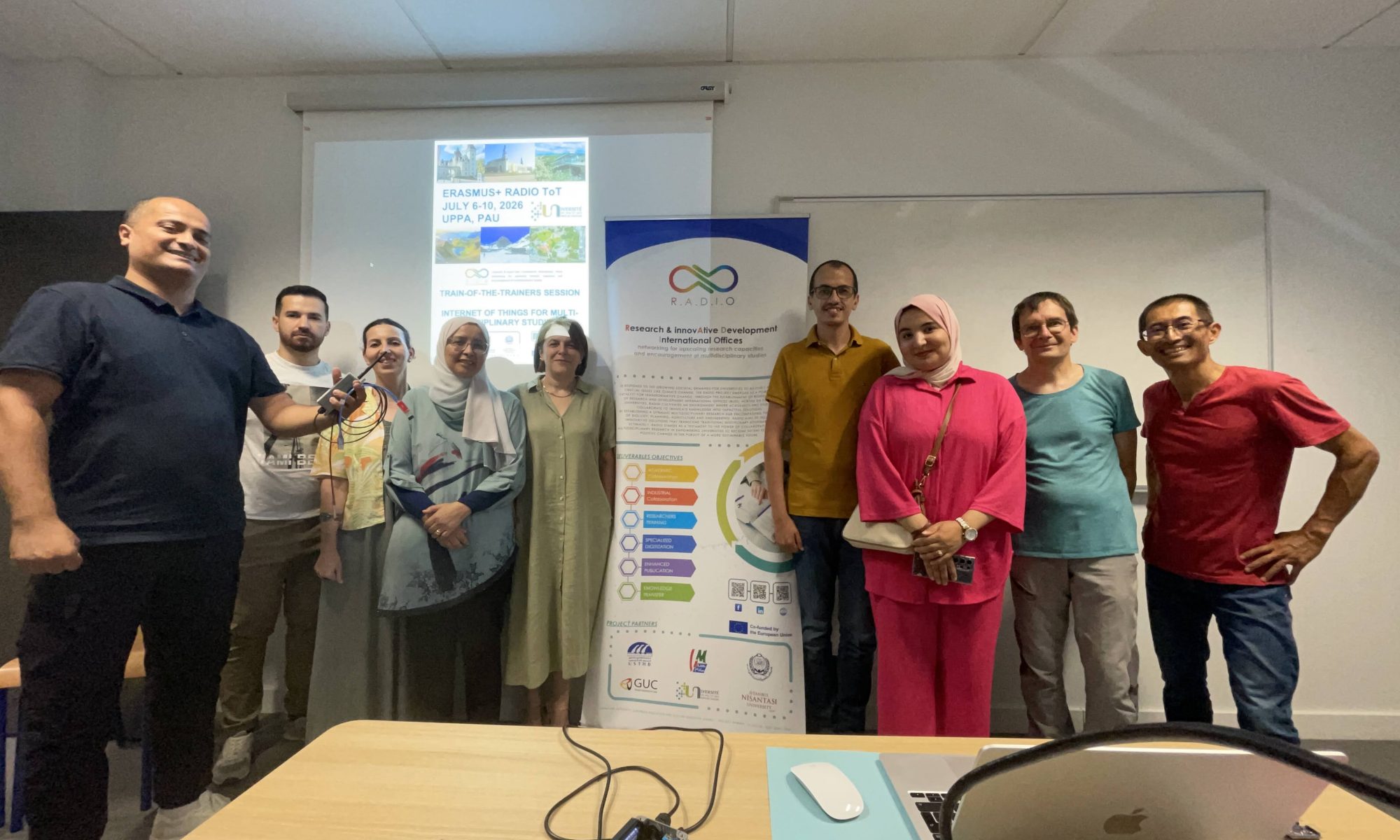
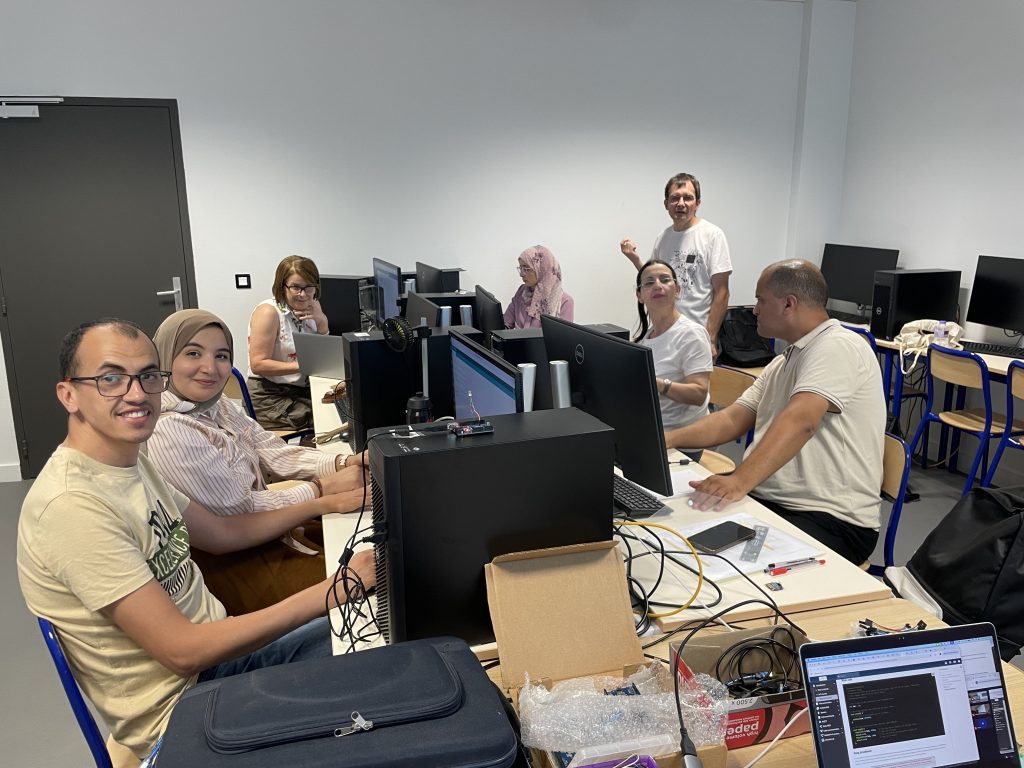
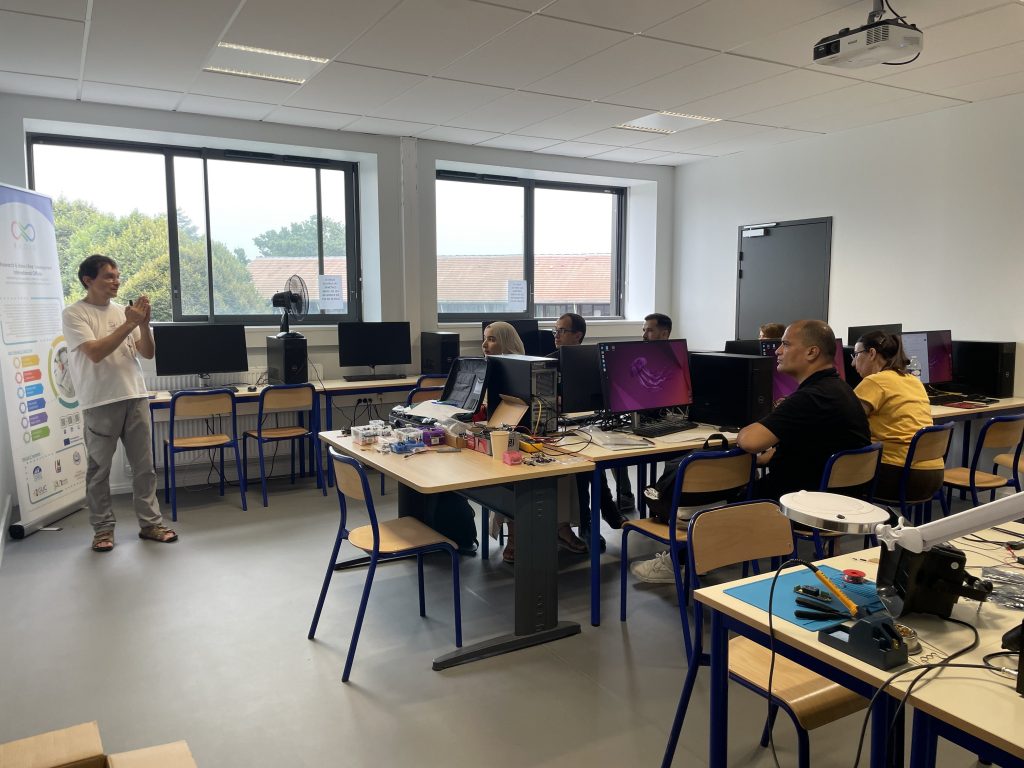
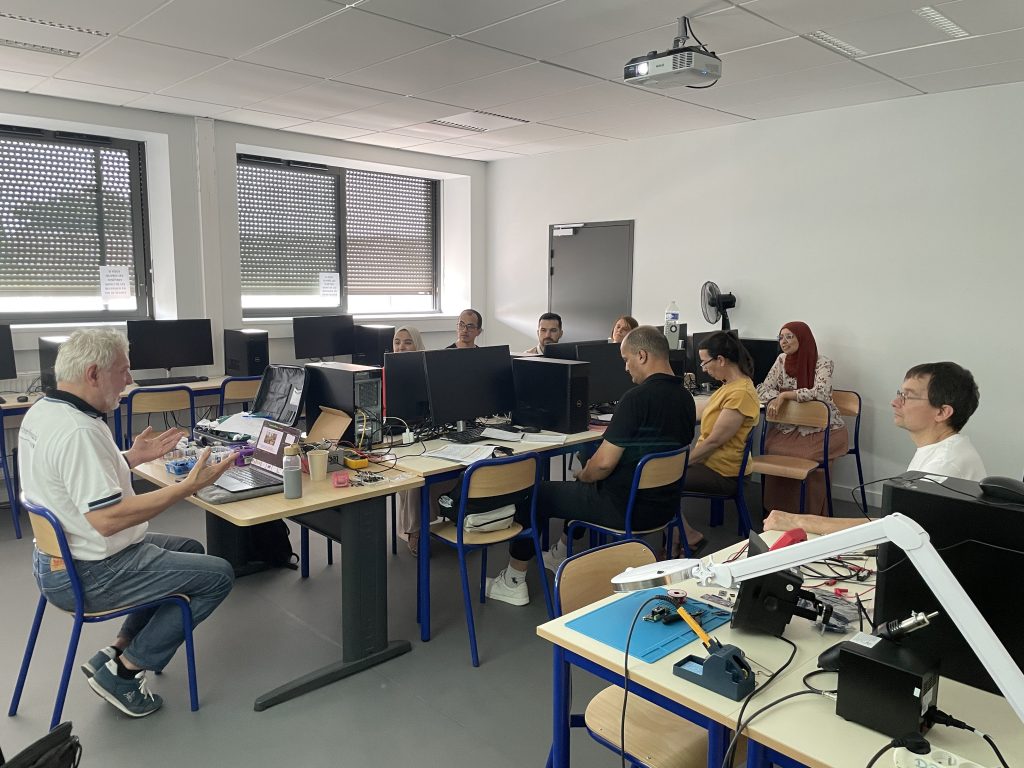
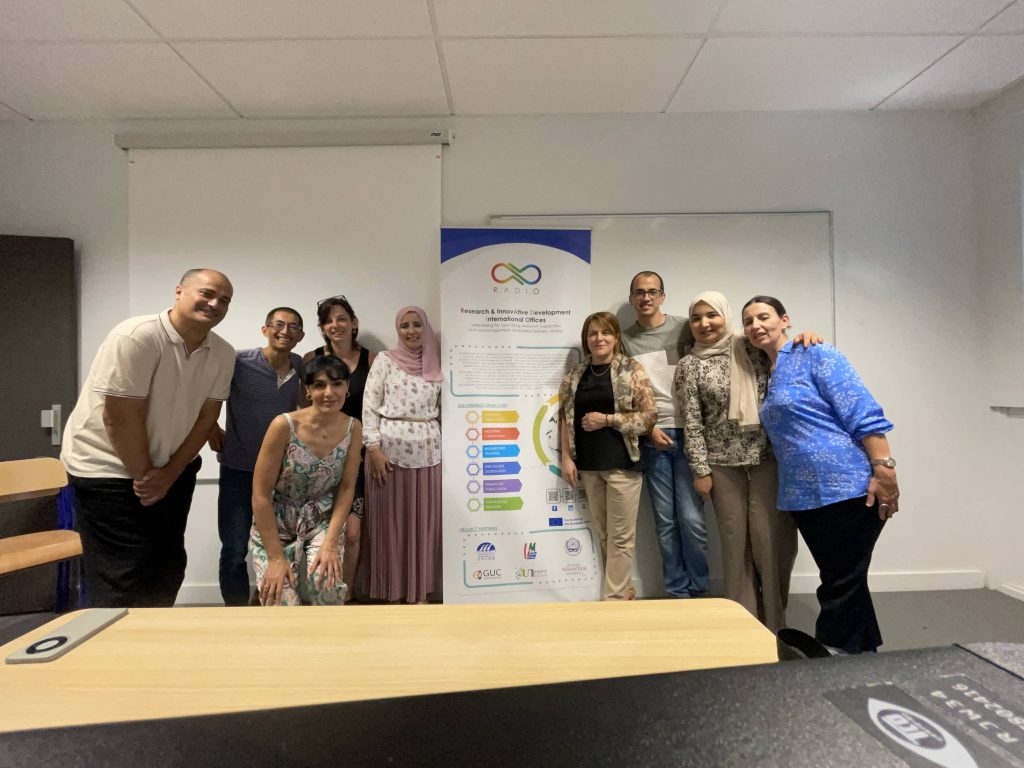
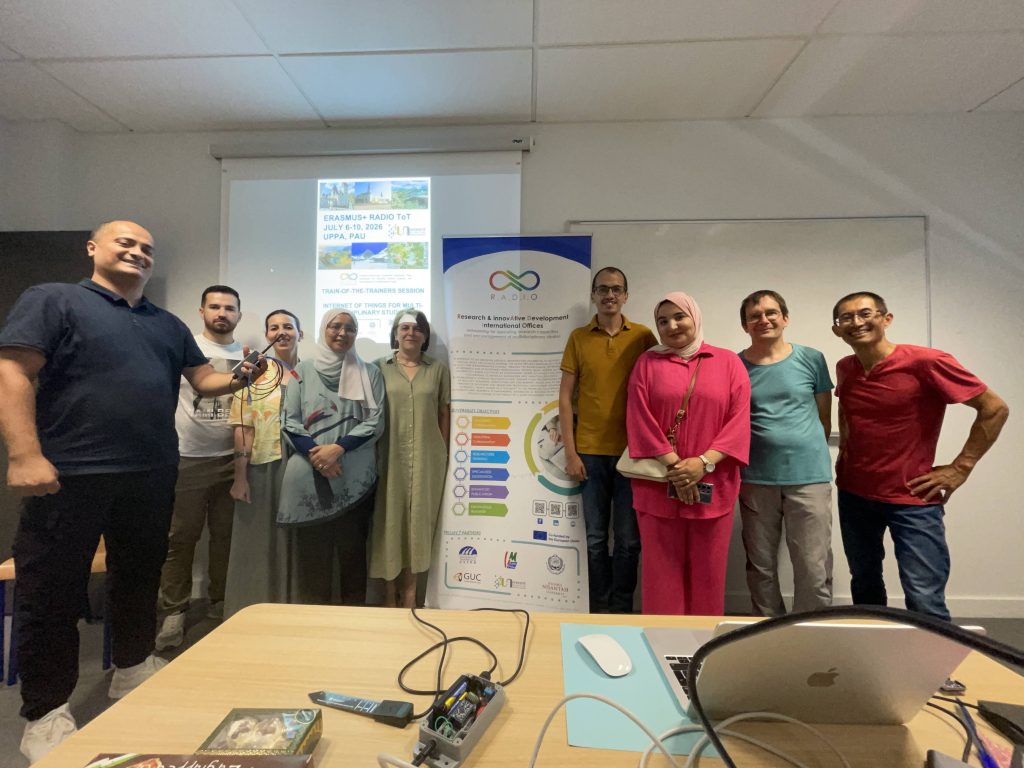
From July 6–10, UPPA proudly hosted the RADIO Train-of-the-Trainers session on Internet of Things (IoT) technologies.
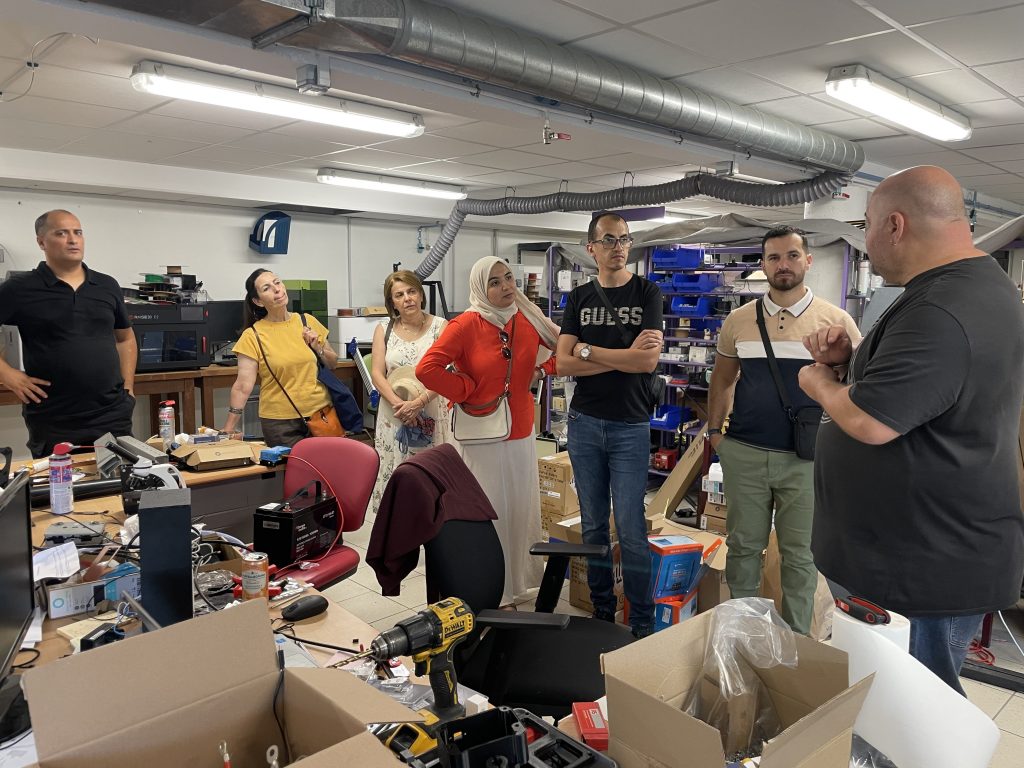
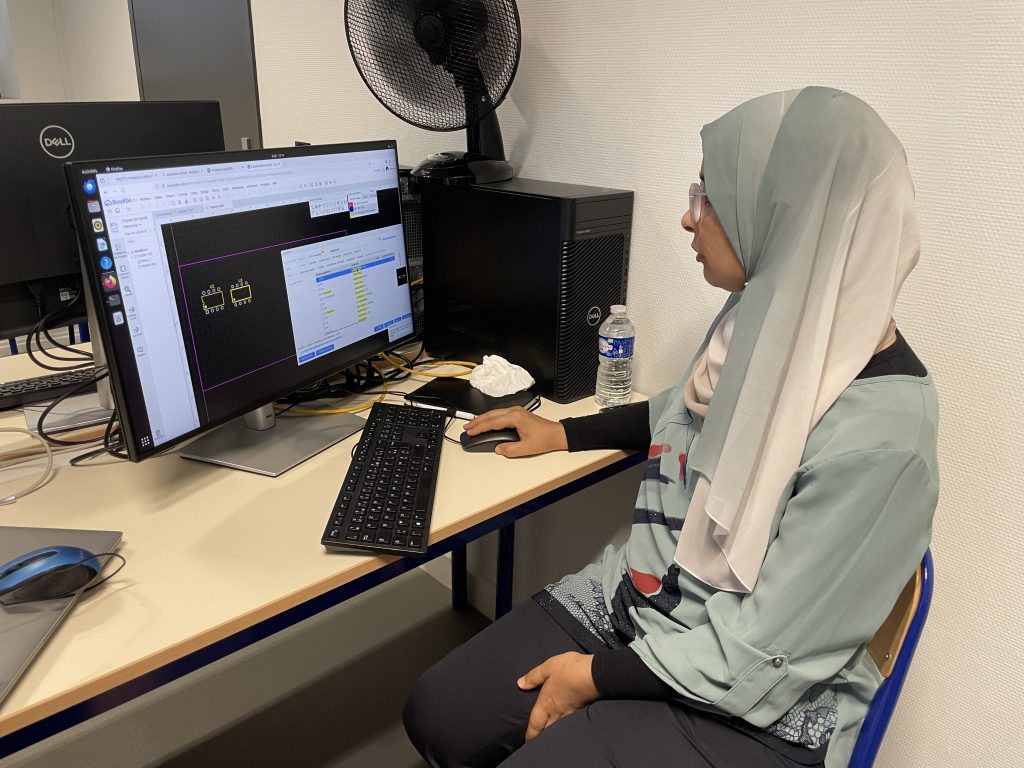
Through a combination of engaging lectures on IoT fundamentals, insights and lessons learned from ambitious real-world IoT projects, visit of fablabs, and extensive hands-on laboratory sessions, participants explored the key concepts, challenges, and opportunities of the IoT ecosystem. Most importantly, they gained practical experience in designing, programming, deploying, and experimenting with real IoT systems.
A big thank you to all the participants for their enthusiasm, curiosity, and active engagement—it made this training a great success!
Beyond the capacity-building, it was a great moment of sharing, exchange and discussions among participants and trainers! Look at the proposed program which also contains link to training materials.
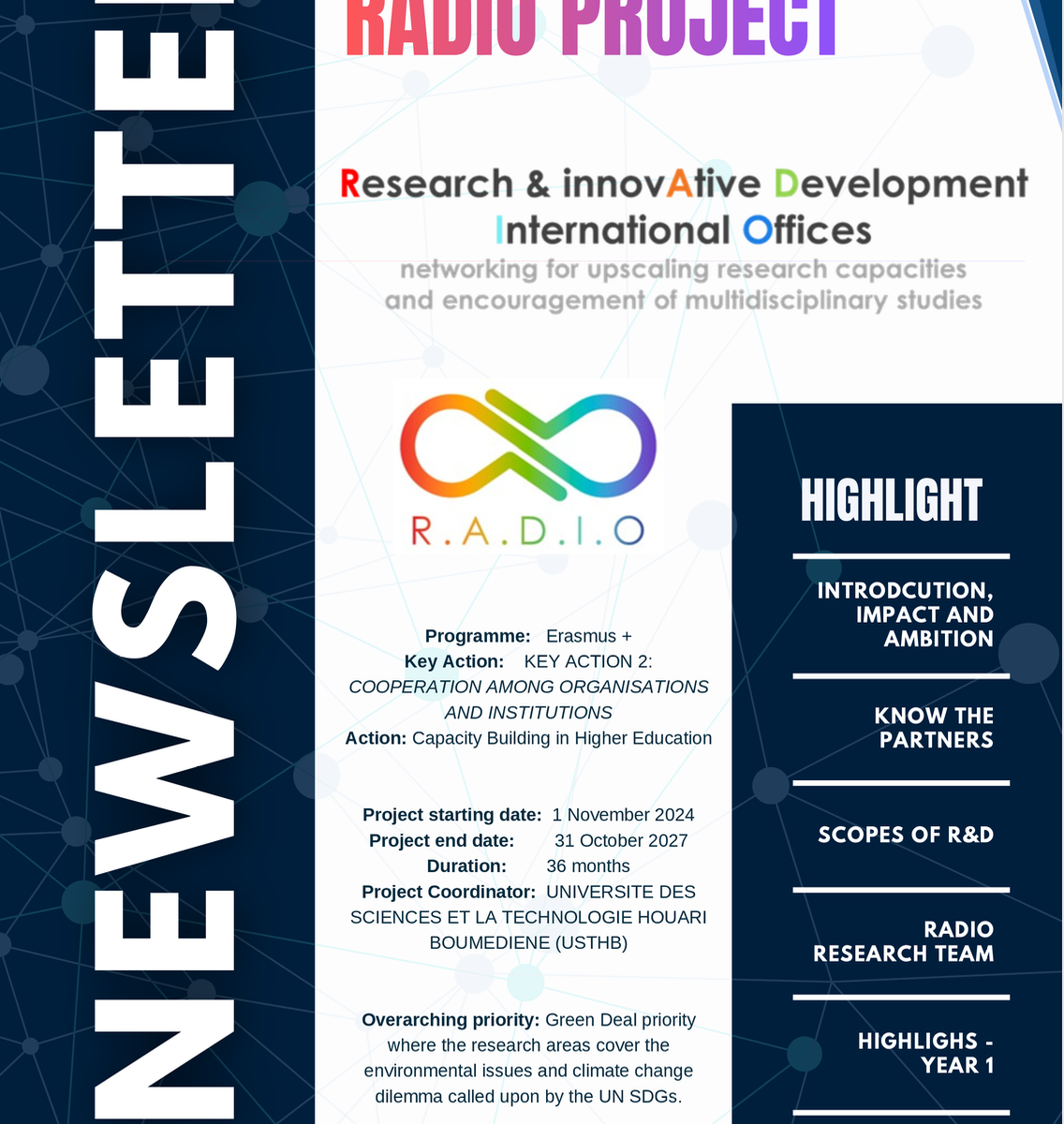
We are happy to announce the release of RADIO’s first Newsletter! Read all the achievements, collaborations and activities for this project targeting capacity-building for multidisciplinary studies.
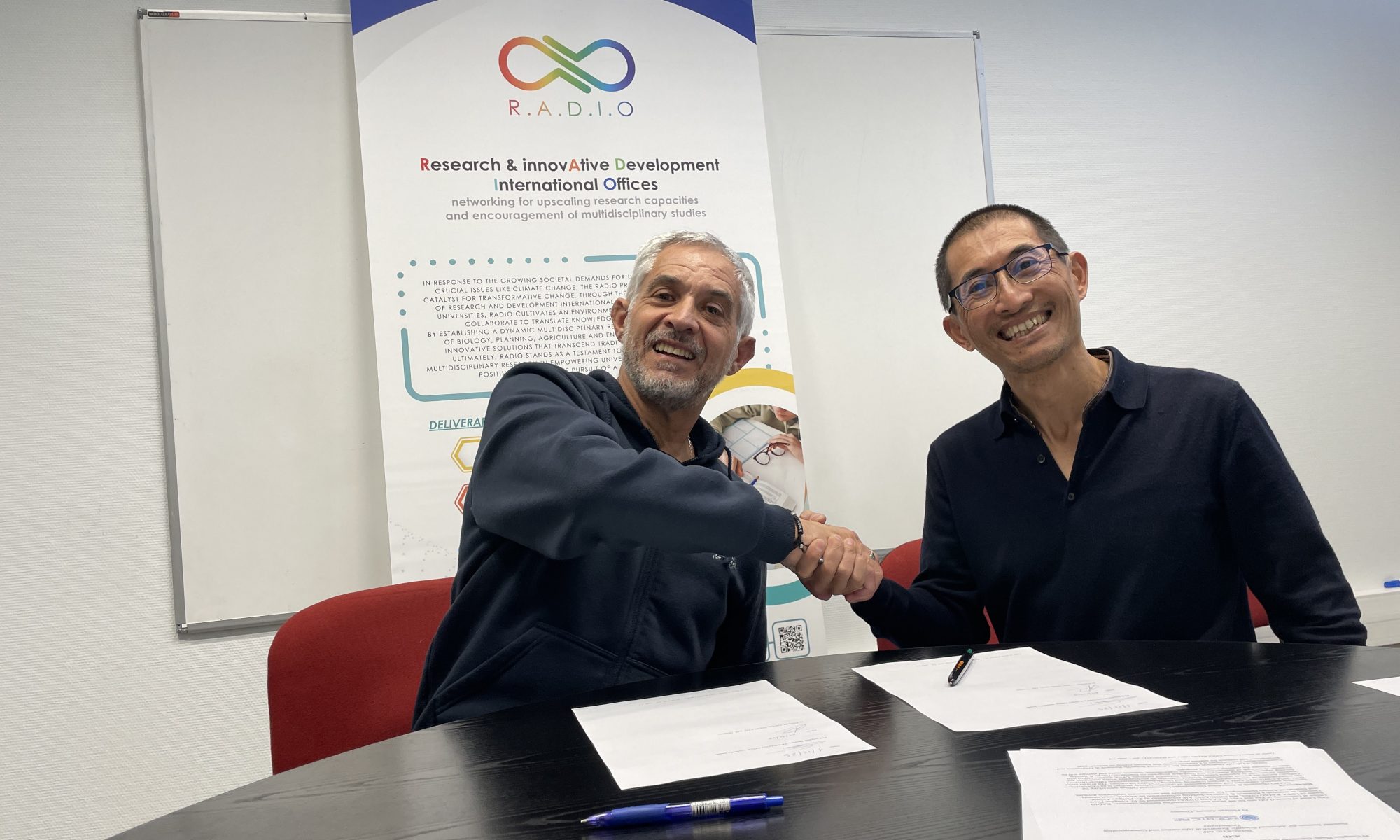
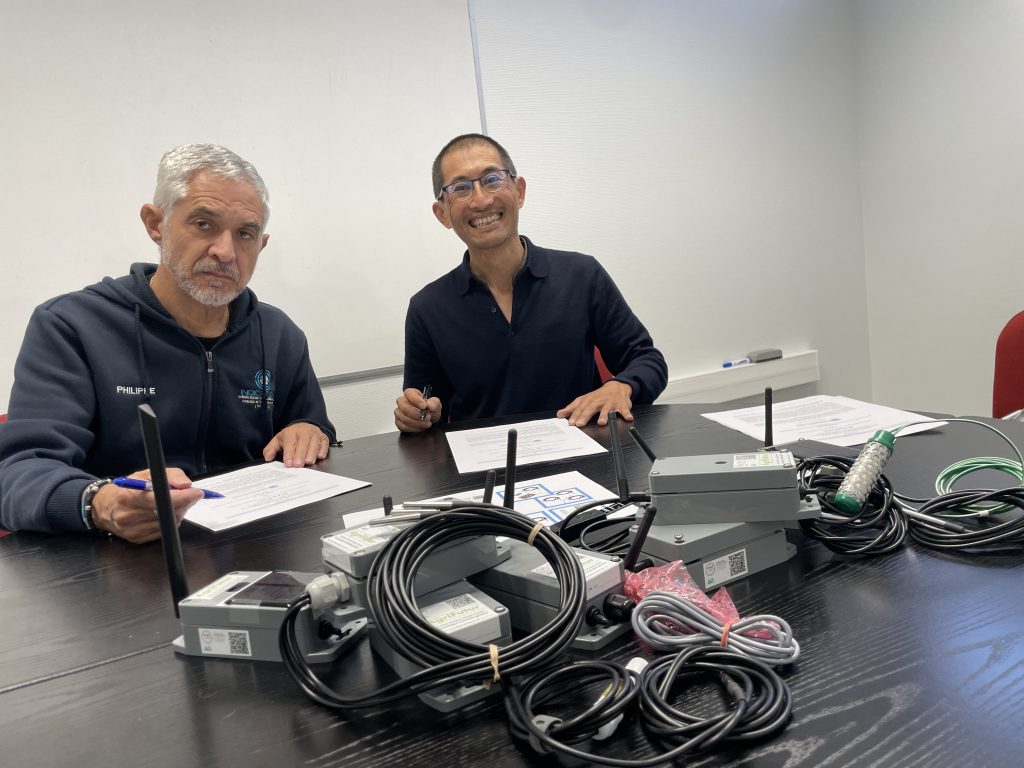
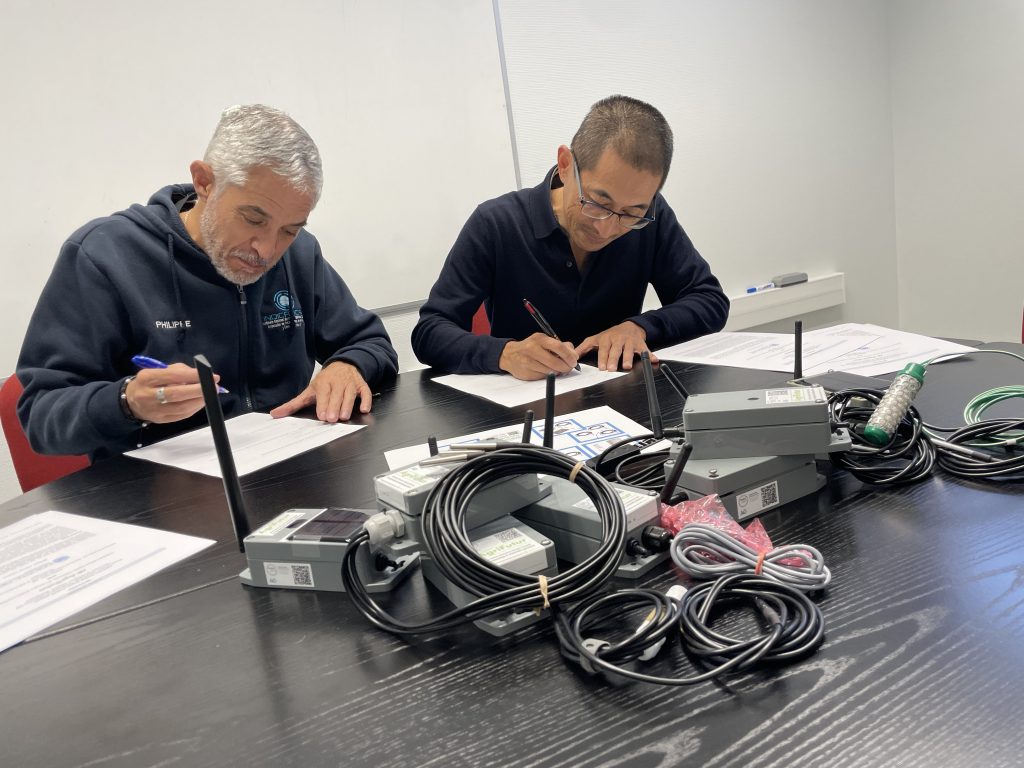
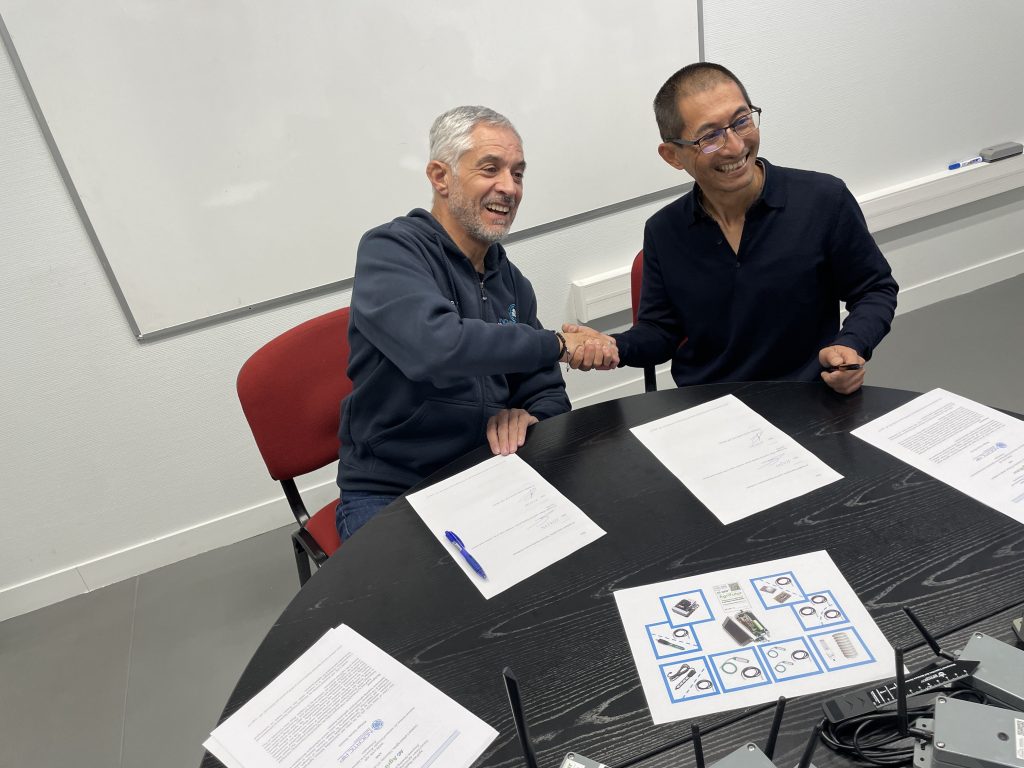
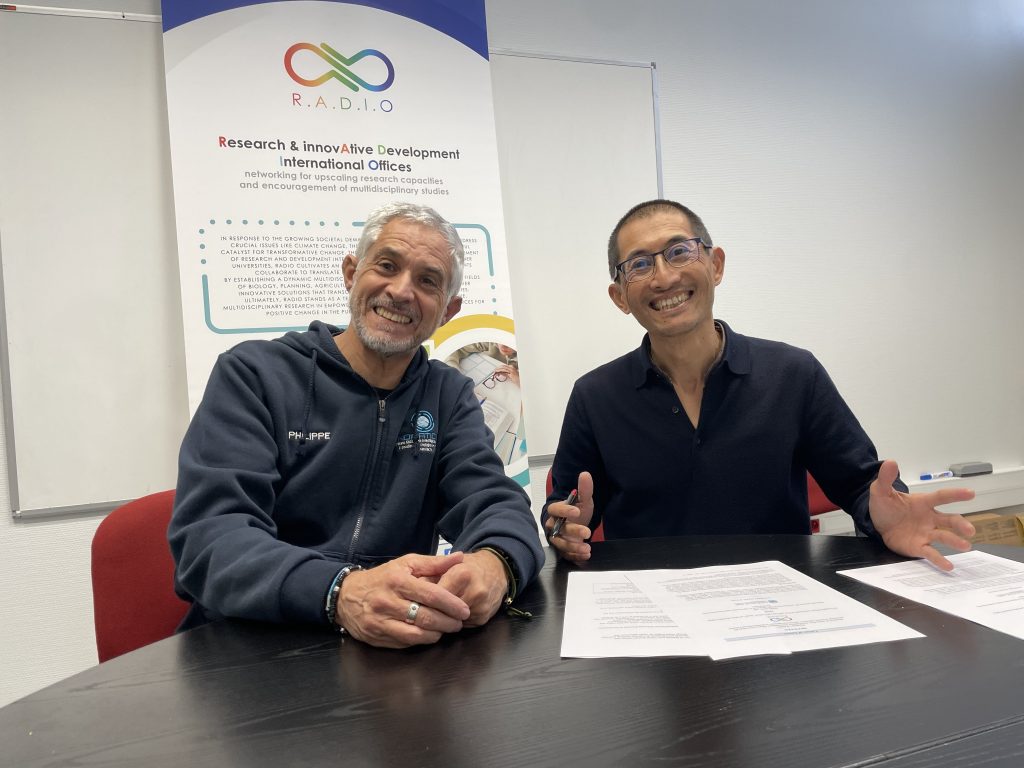
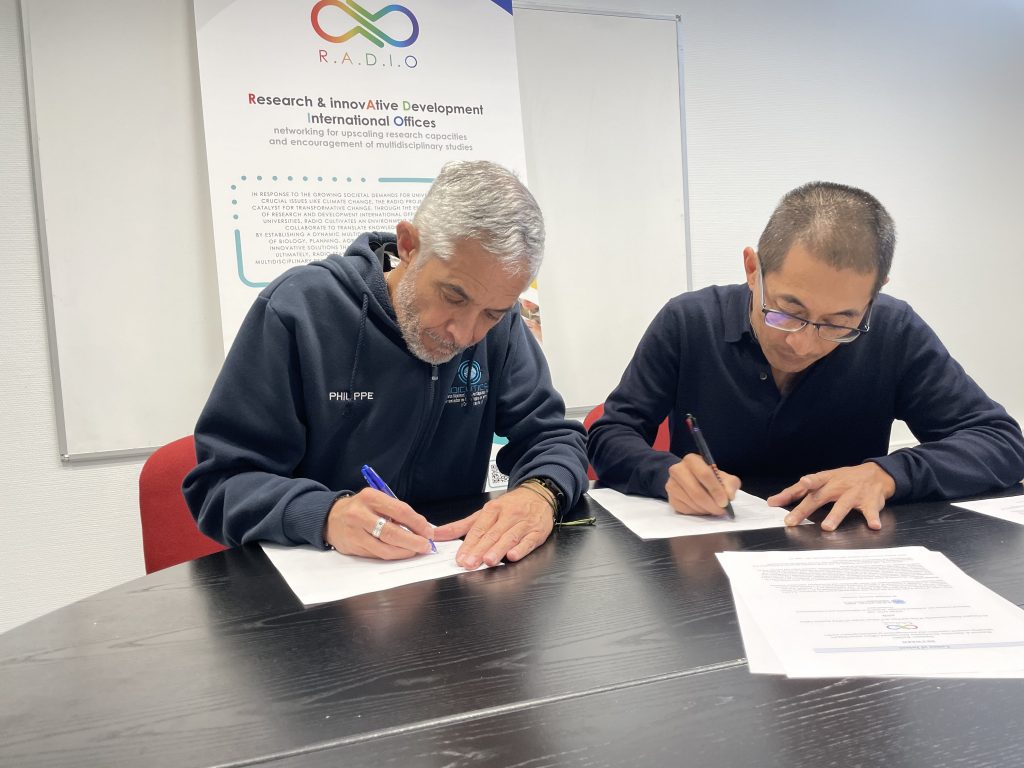
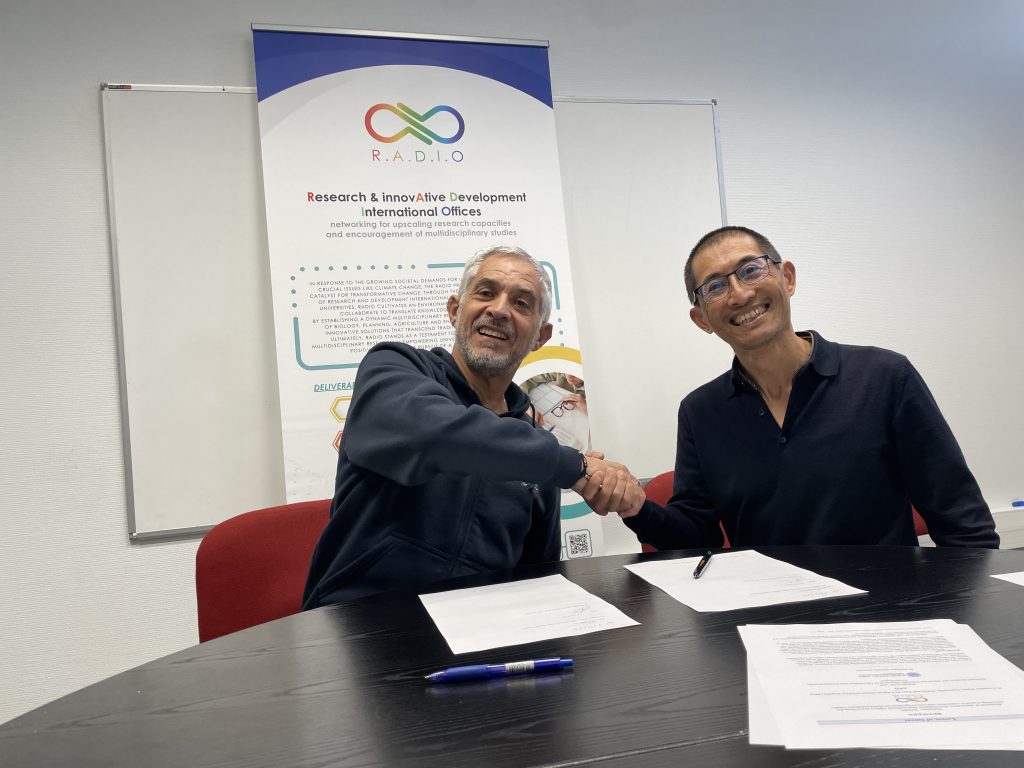
In Dec. 1st, 2025, taking advantage of the visit of Pr Philippe Aniorté, Director of INDICATIC AIP, the National Institute for Advanced Reasearch in Information and Communication Technologies of Panama, Pr Congduc Pham and Pr Philippe Aniorté signed 2 Letter of Intent (LOI) to increase collaborations and synergies between the 2 research teams. The first LOI establishes a Research & Development collaboration on wireless smart sensors technologies development and deployment targeting agroecological application domains. This will be realized in the context of the AgriFutur flagship project of the PEPR Program. The second LOI establishes a collaboration for capacity-building and upscaling research capacities and encouragement of multidisciplinary studies in the context of the Erasmus+ RADIO project. In particular, INDICATIC AIP researchers will contribute to presentations, keynotes and lectures in the Intensive Study Program (ISP) that is developed at UPPA for RADIO.
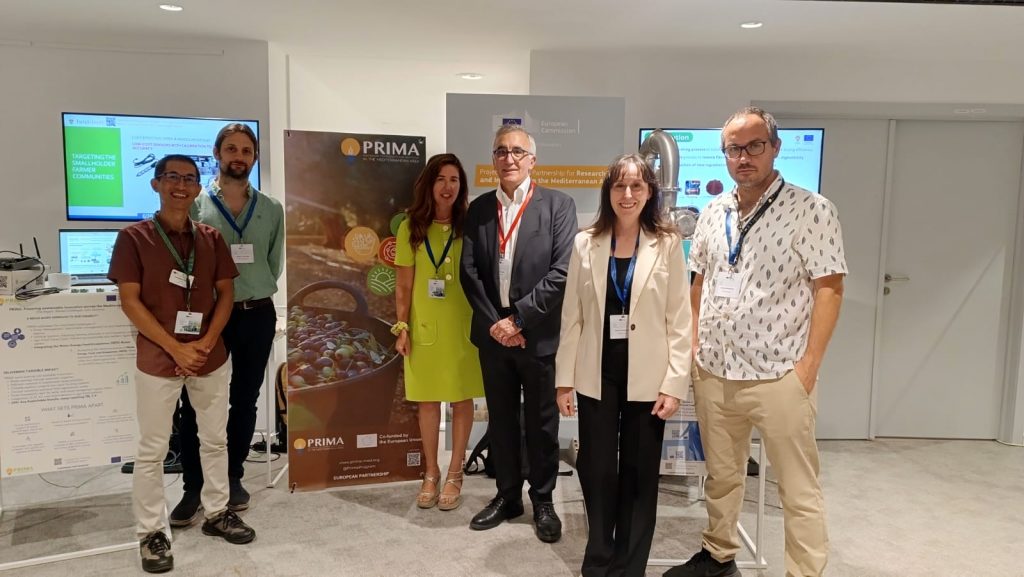
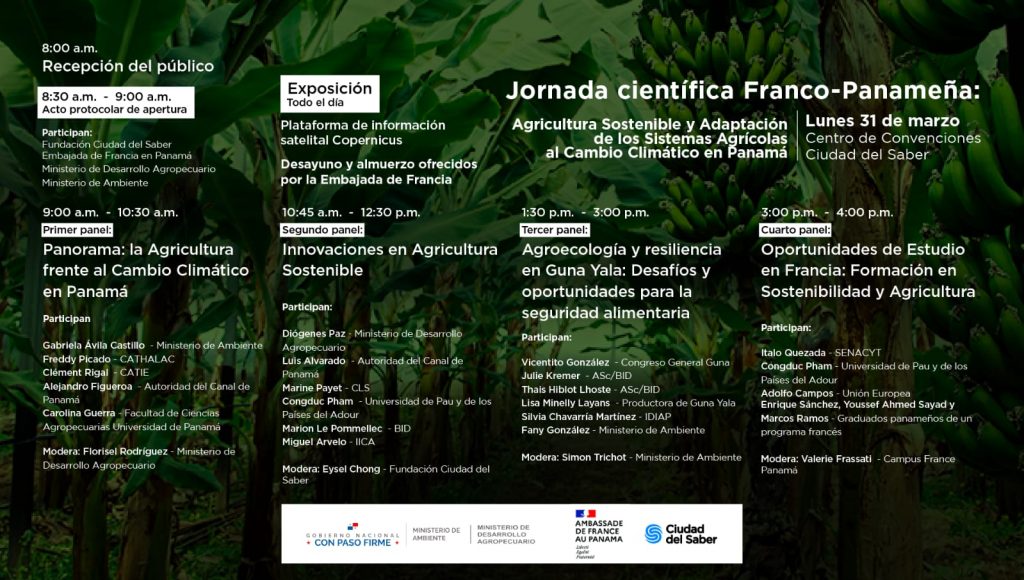
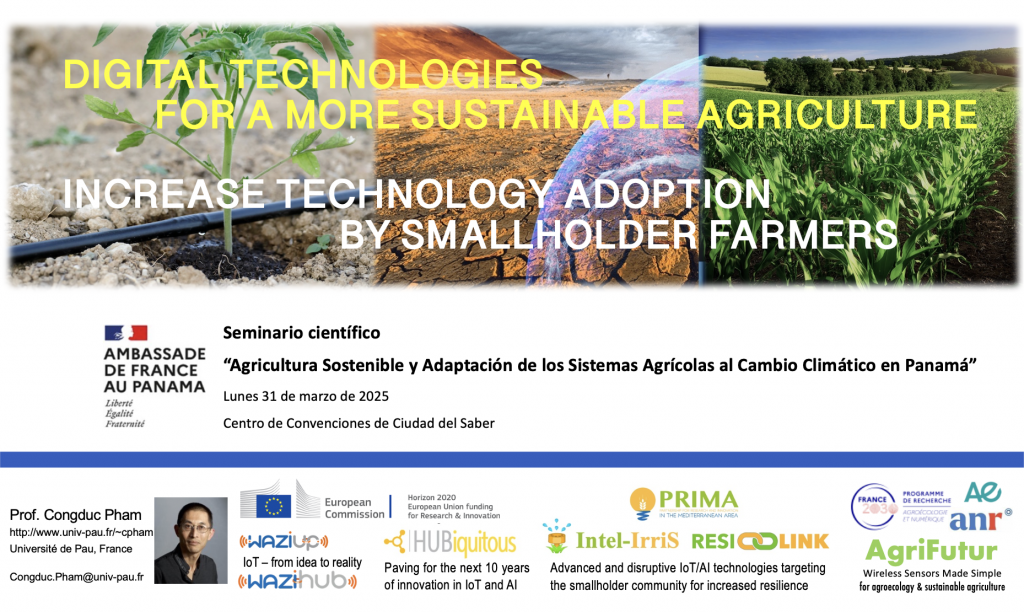
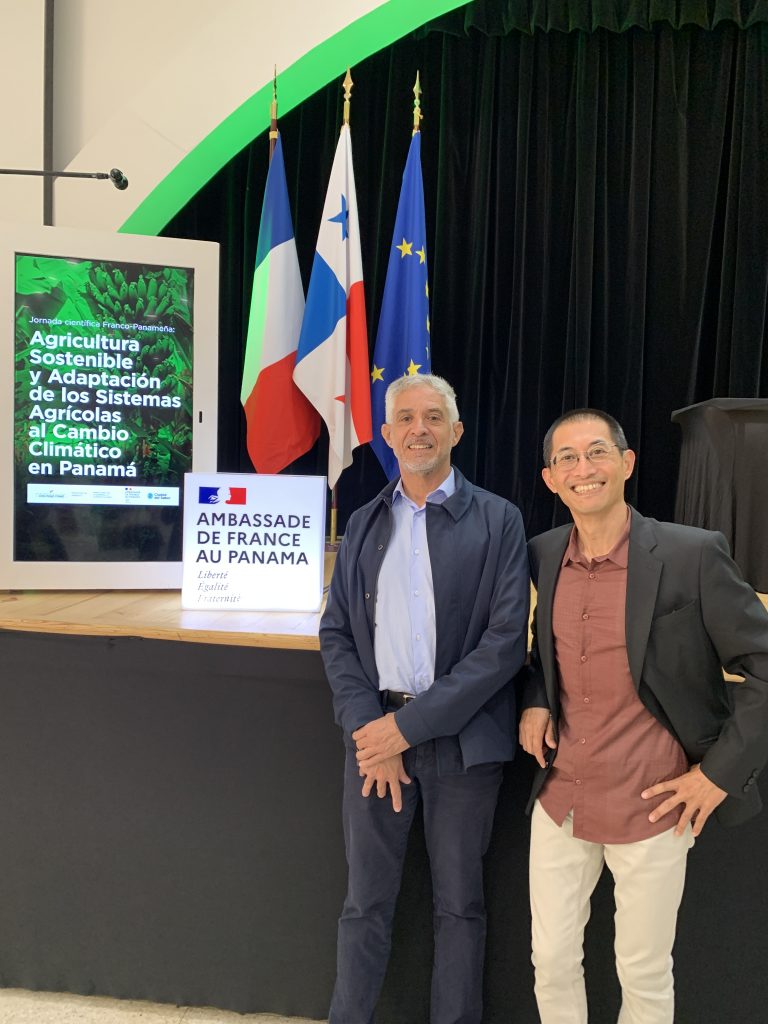
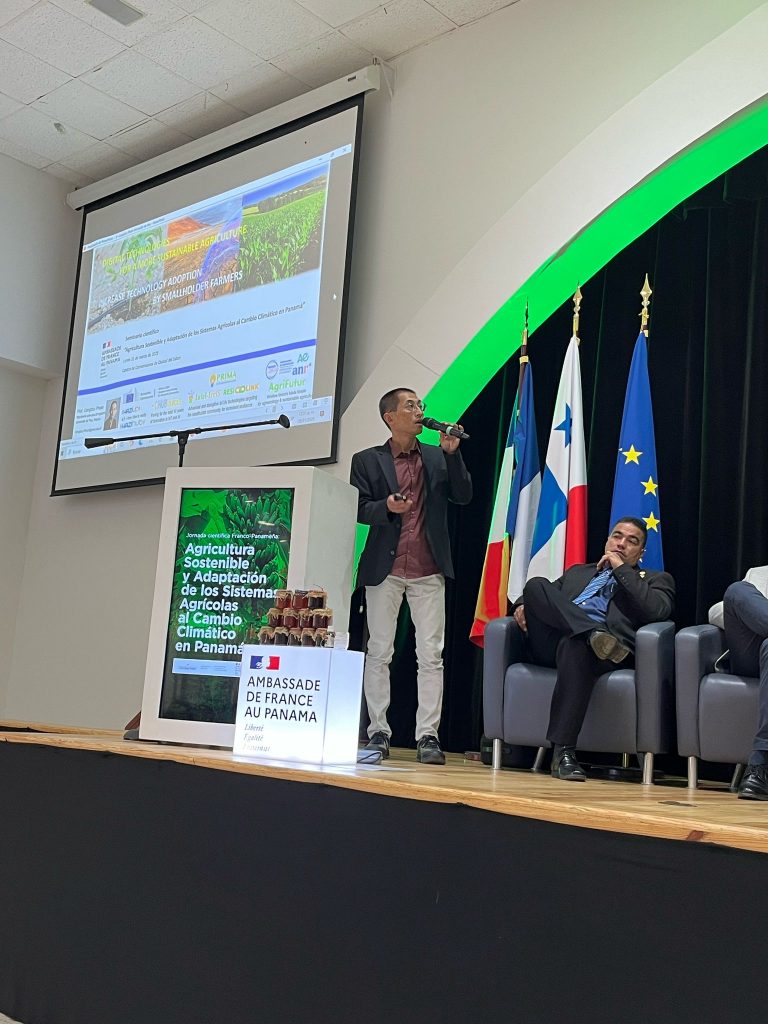
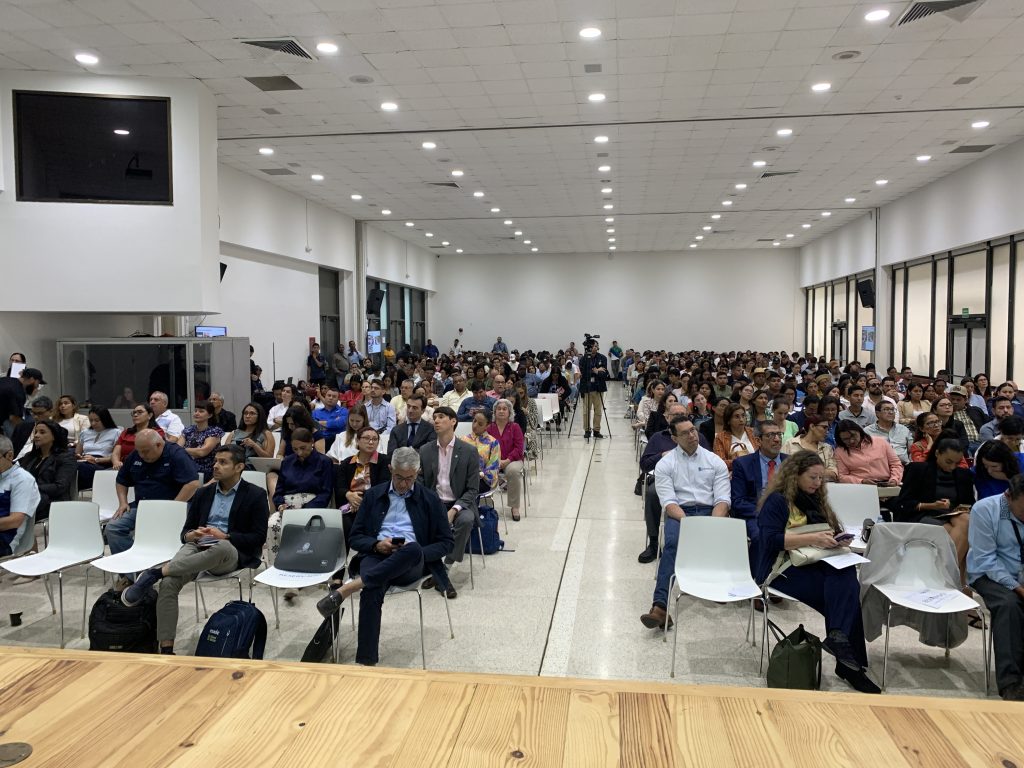
The event was located at Ciudad del Saber, Panama City. The invitation of Prof C. Pham was the result of a collaboration since June 2023 with INDICATIC AIP directed by Prof. P. Aniorté. A big thank you to the French Embassy team in Panama for this exciting event with an incredible program and more than 1000 participants!
Watch the recorded video on YouTube (for the whole video, click here), otherwise, click below to jump to the presentation from Prof. C. Pham.
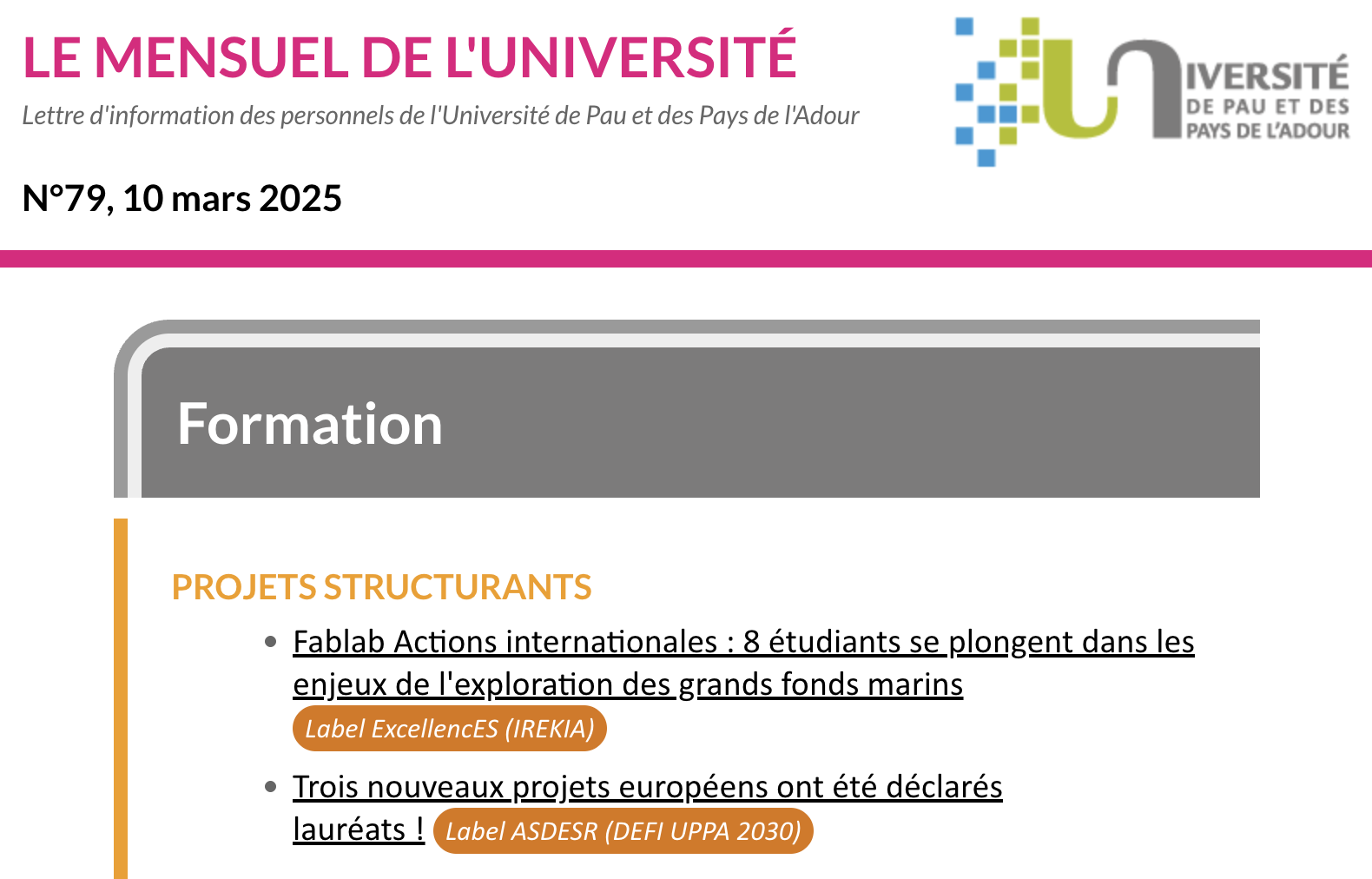
RADIO project is presented in the March 2025 Newsletter that UPPA is publishing and distributing to collaborators and stakeholders. See the online version.
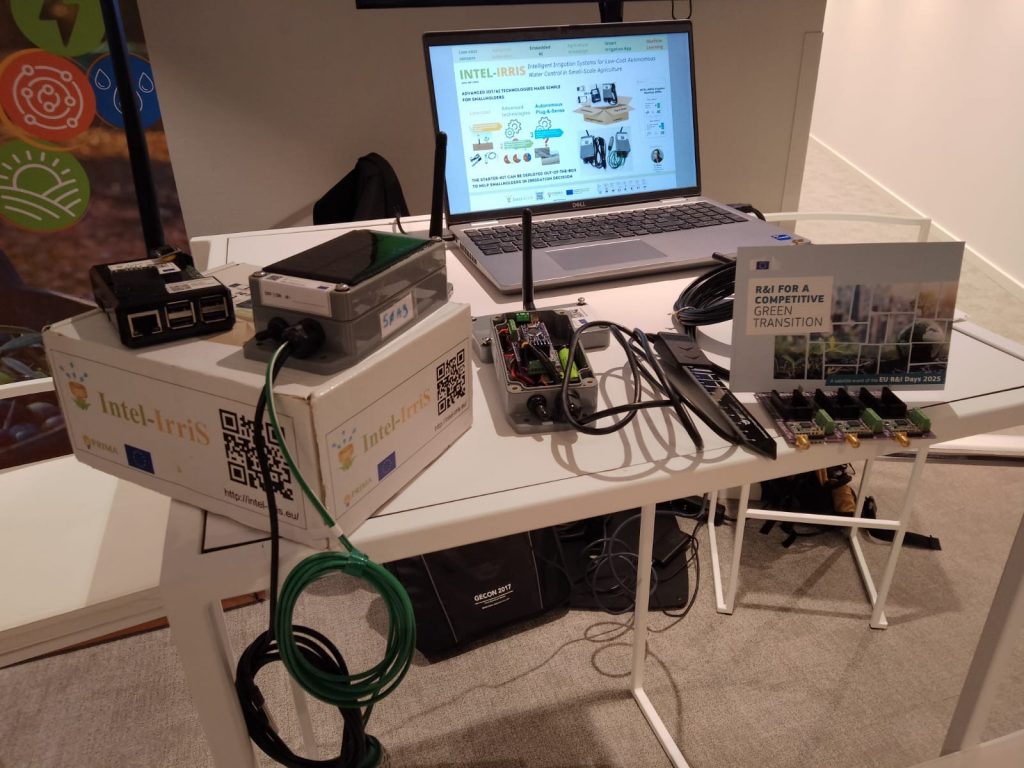
The PCBs to build the Generic Sensor Platform are now available. Based on the work conducted in the PRIMA INTEL-IRRIS project, the PCBs have been rebranded for AgriFutur and the control software is improved to support a much wider range of physical sensors. All manufacturing files to order the fully assembled PCB from PCB manufacturers are available on the PEPR AgriFutur GitHub.
Integration of LoRaCAM-AI is almost at its final stage with the low power mode validated! Get all the explanations, diagrams, code and software tool to test the LoRaCAM-AI on the GitHub.
Next step is to embed AI processing on the captured image to implement some image recognition tasks. The objective is to have a generic low power camera that can be trained for various applications in agroecology.
In this video, the LED on the XIAO ESP32-S3 Sense will blink as follows: (1) after power up and an image is ready for encoding and transmission, the LED will slowly blink twice; (2) each time a packet has been successfully transmitted the LED will blink once; (3) when all packets have been transmitted, the LED will again slowly blink twice. The power will be managed by an external Arduino Pro Mini which LED will blink as follows: (1) after power on, and after each wake up, the LED will blink 5 times fast; (2) each time that the activity pin from the ESP32 goes below the defined activity threshold, the LED will blink once; (3) when the activity pin has been below the activity threshold for at least 2s, the LED will slowly blink 4 times, indicating that the power to the ESP32 is going to be cut. This is when the Arduino Pro Mini will go in deep sleep for typically 1 hour.
During the whole December 2024 month, we tested various ESP32 camera board to finally select the XIAO ESP32-S3 Sense board! The main criterion was to have enough pins left to connect an SPI LoRa radio module. 3 boards offer this capabilities: `Freenove ESP32-S3 WROOM`, `Freenove ESP32 WROVER v1.6` and `XIAO ESP32-S3 Sense`. The choice was finally set to the `XIAO ESP32-S3 Sense` which has a huge developer community and enough resource to run embedded AI processing that we want to add in the future in a quite compact format.
We released on the PEPR AgriFutur GitHub a PoC of a smart image sensor device based on XIAO ESP32-S3 Sense with an OV2640 camera capable of periodically capturing and transmitting with LoRa radio a small size image, typically 128×128, in a robust encoding image format. Proper casing for outdoor deployment will follow.